



Back-to-School Routines That Actually Work (and Don’t Turn Your Home Into a
Battleground)
A little something different from us today! We invited Sarah Ottensoser, M.S., CCC-SLP, to share her expert tips for creating back-to-school routines that actually work. As you’re shopping for school supplies and getting everyone ready for the year ahead, keep these smart, practical ideas in mind—they may make your back-to-school season a whole lot smoother.
By Sarah Ottensoser, M.S., CCC-SLP
As a Speech-Language Pathologist, I’ve spent more than twenty five years working with
students in schools, and for the past seventeen years, I’ve focused heavily on executive
functioning skills. I’ve worked with countless students who are bright, capable,
and motivated, yet still struggle with organization, planning, time management,
and remembering what they’re supposed to do next.
Here’s the good news: most kids don’t need more reminders from adults. They
need systems.
As we head back to school, now is the perfect time to put a few simple routines in
place that can make mornings smoother, homework time less stressful, and
evenings far more peaceful. The goal isn’t perfection. The goal is helping kids
build habits that eventually become automatic.
Start With Morning and Evening Routines
One of the biggest mistakes I see families make is relying on memory. Executive functioning challenges can make it difficult for children to remember multi-step tasks, especially when they’re tired, distracted, or rushed.
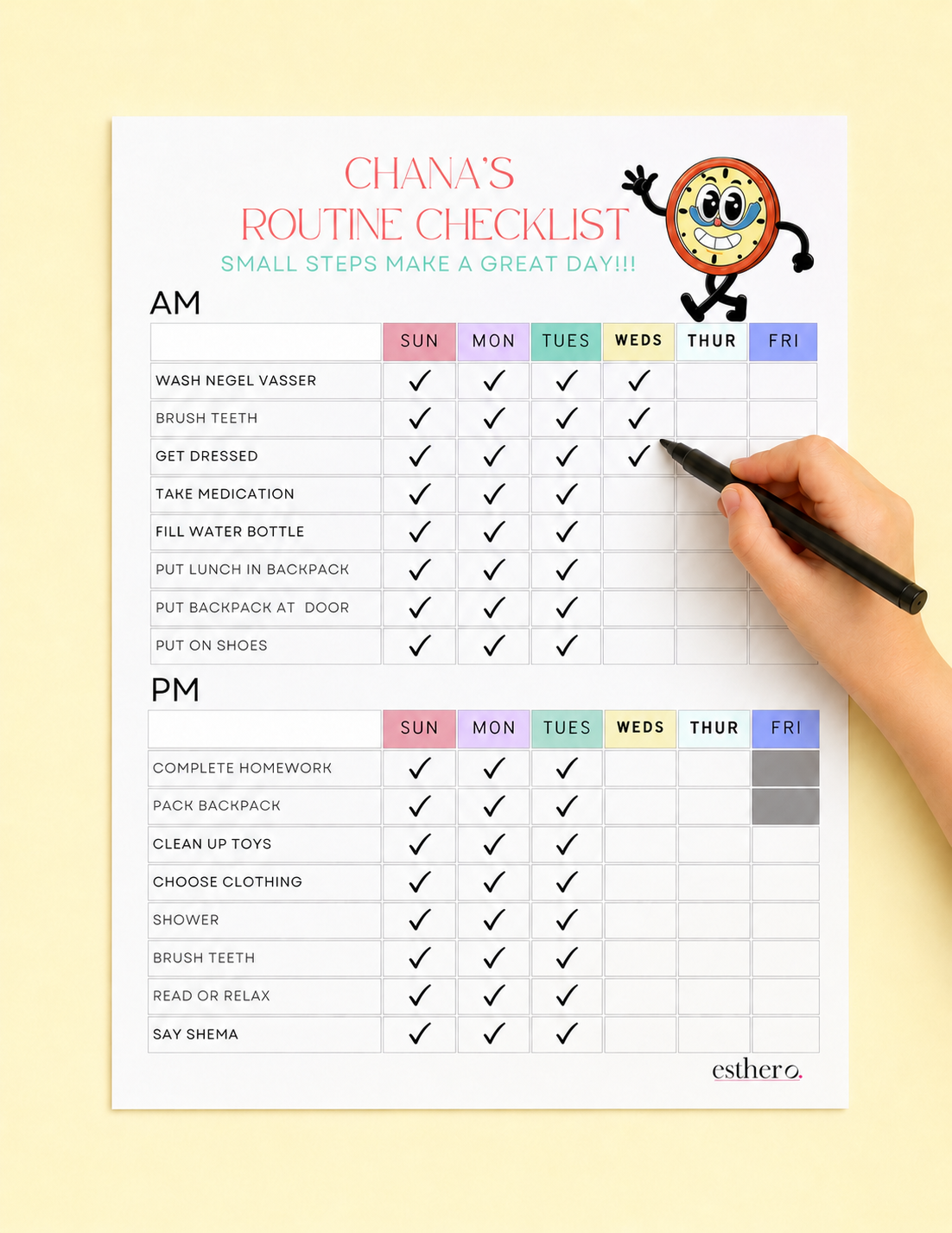
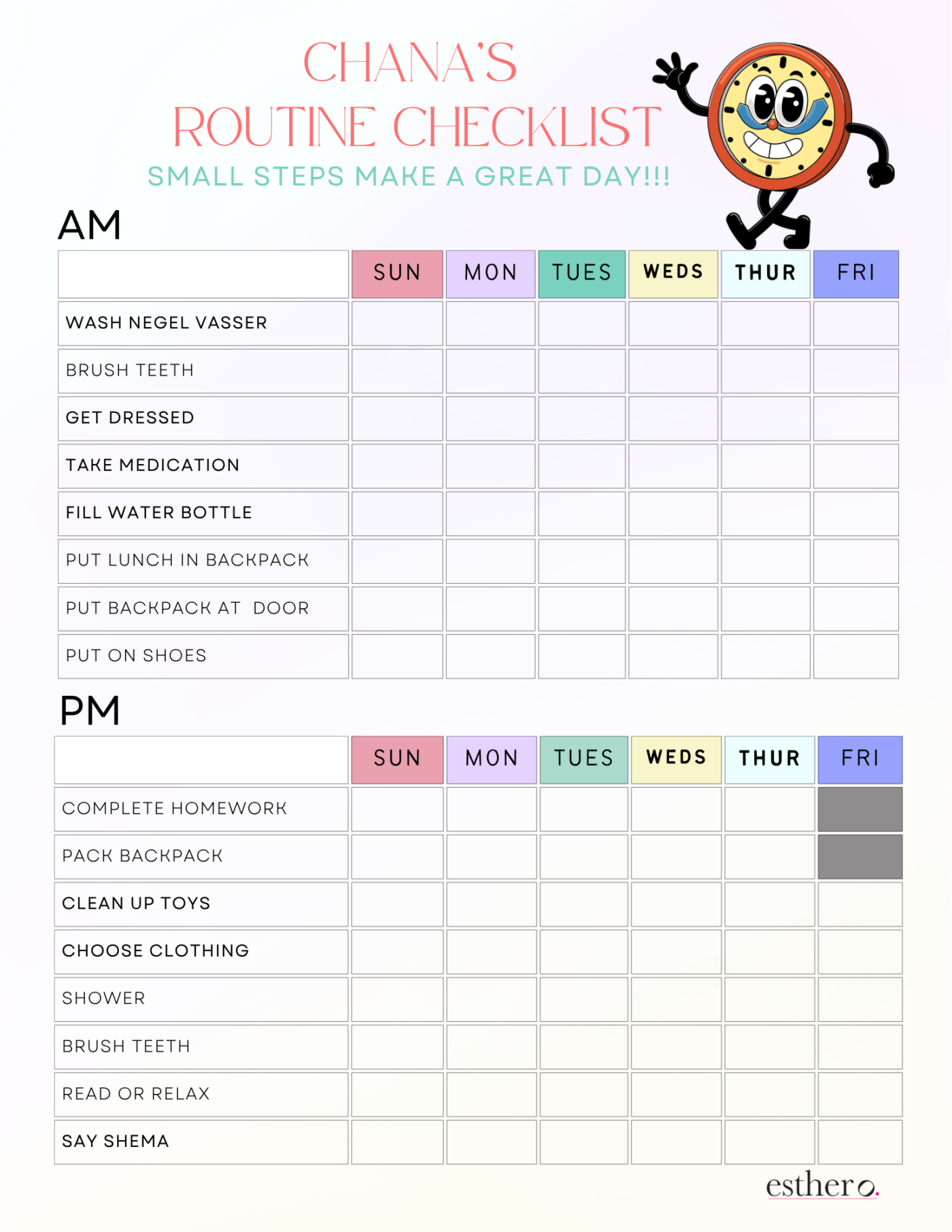
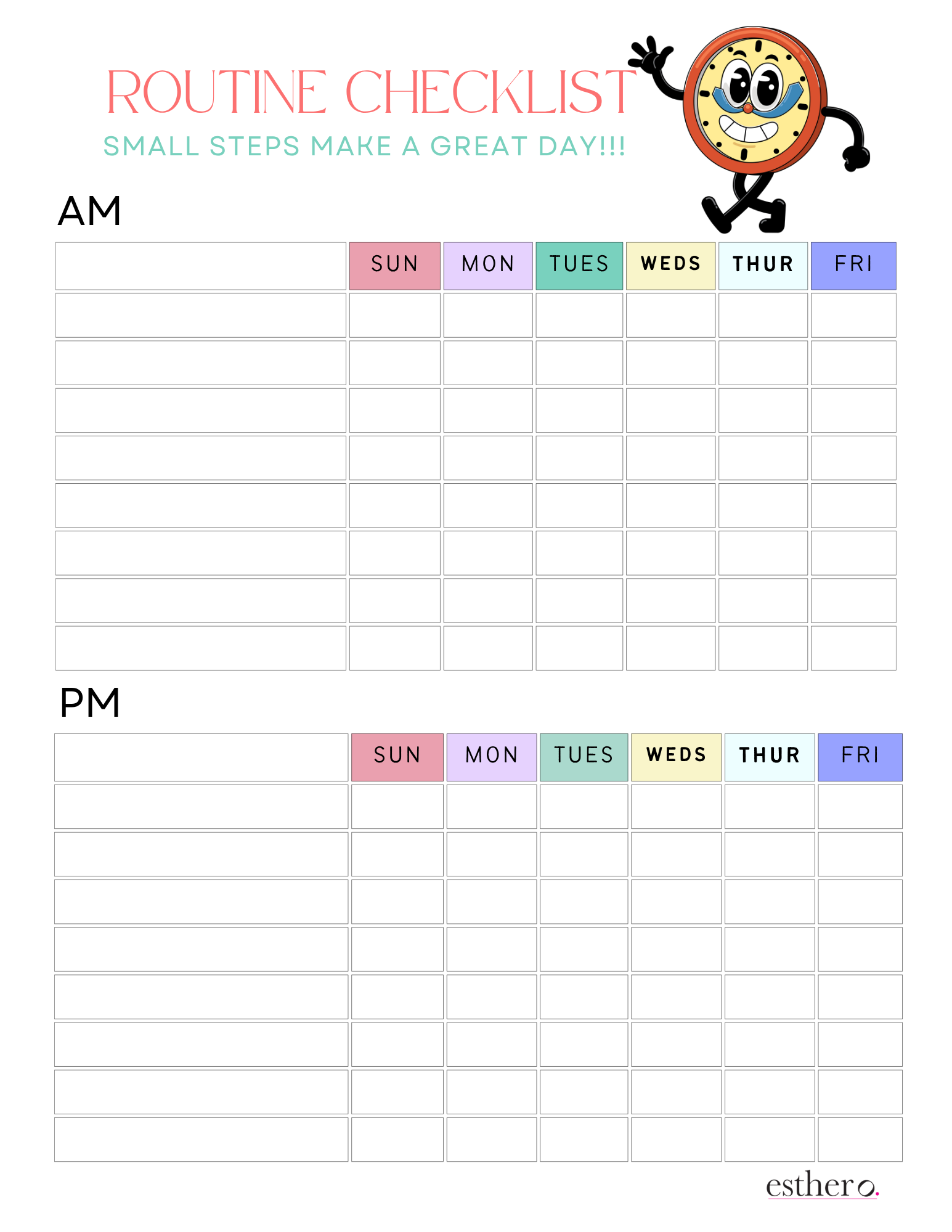
That’s why we created an editable morning and evening routine checklist. You can personalize the tasks, name, and colors using the editable Canva link, or print the ready-to-use PDF and fill it out by hand. Feel free to gray out any boxes that aren’t needed on certain days.
Start using the chart on Sunday so your week gets off to an organized start. While routine charts can be helpful for every child, they are especially valuable for children with ADHD or executive functioning challenges. Checking off each task gives children a clear visual reminder of what needs to be done—and a wonderful sense of accomplishment as they complete each step.
Instead of repeatedly asking:
- Did you brush your teeth?
- Where’s your backpack?
- Do you have your water bottle?
- Did you pack your homework?
Create separate printed checklists for both morning and evening routines. Kids
often tune out verbal reminders, but a visual checklist stays consistent and
doesn’t get frustrating.
Don’t Be Afraid to Use Incentives
Parents sometimes worry that rewarding kids means bribing them. I see it
differently. When children are learning new executive functioning habits,
incentives can help bridge the gap between effort and success. Adults use
incentives all the time. We work toward paychecks, promotions, vacation days,
and recognition. Kids can benefit from the same concept.
The key is to reward consistency, not perfection.
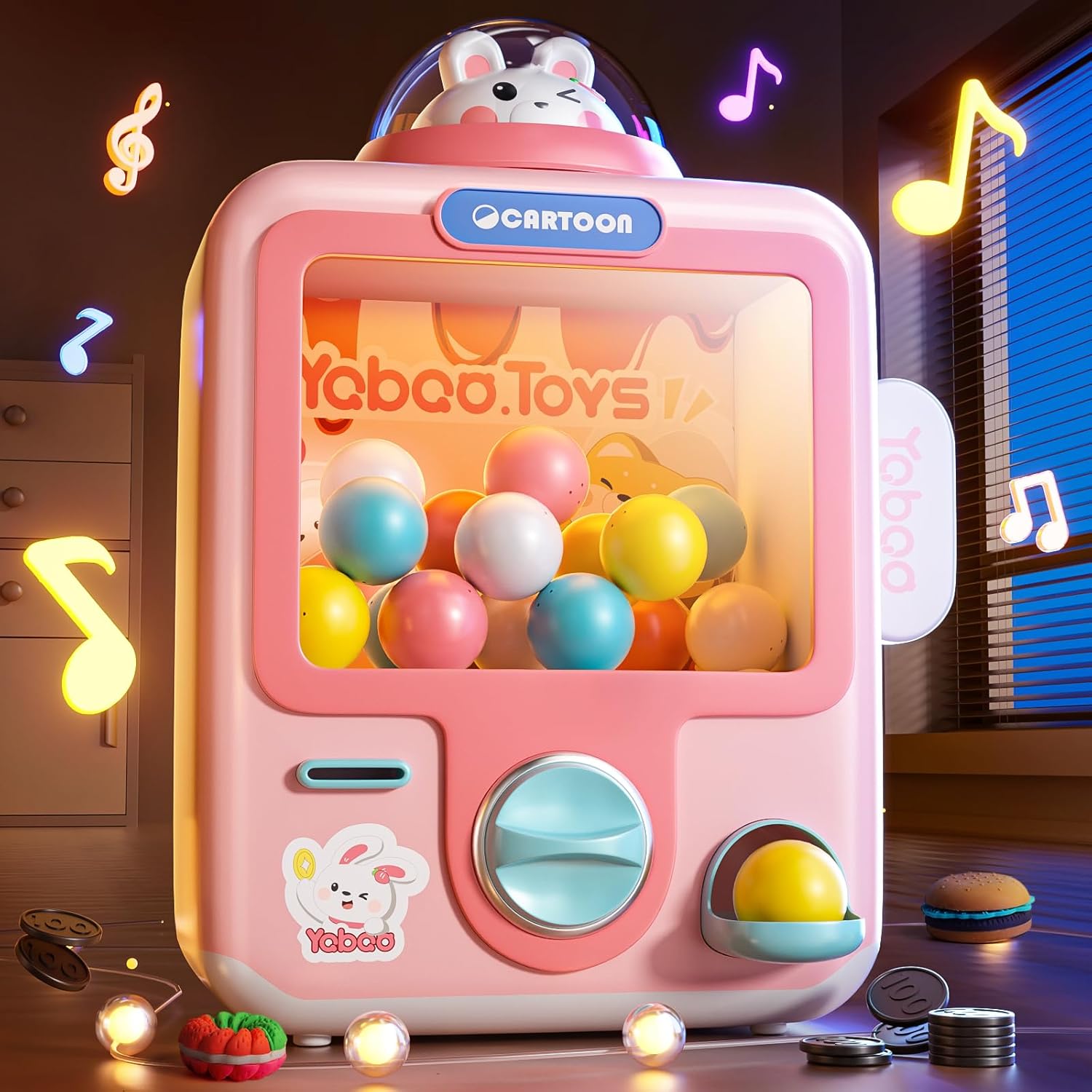
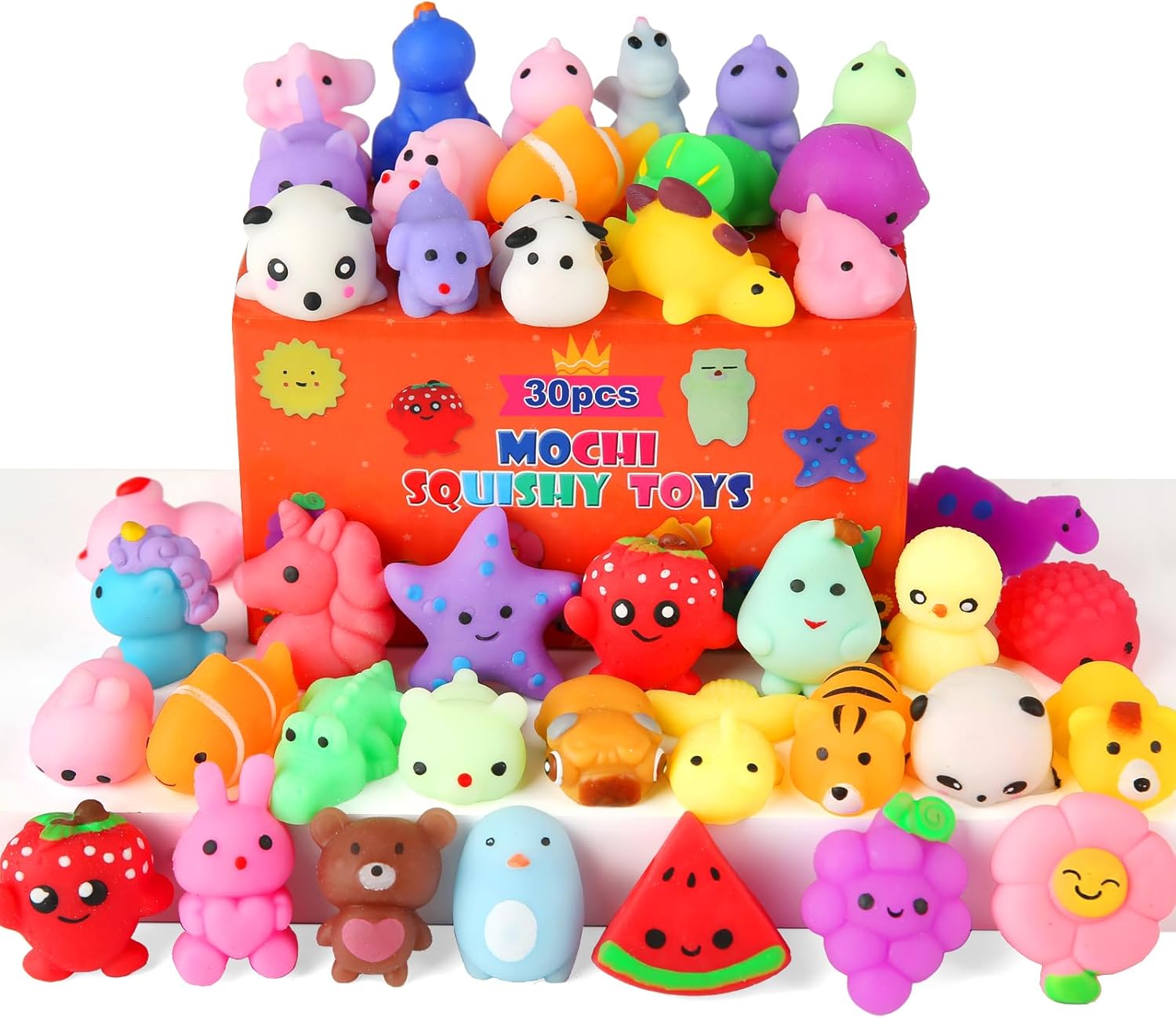
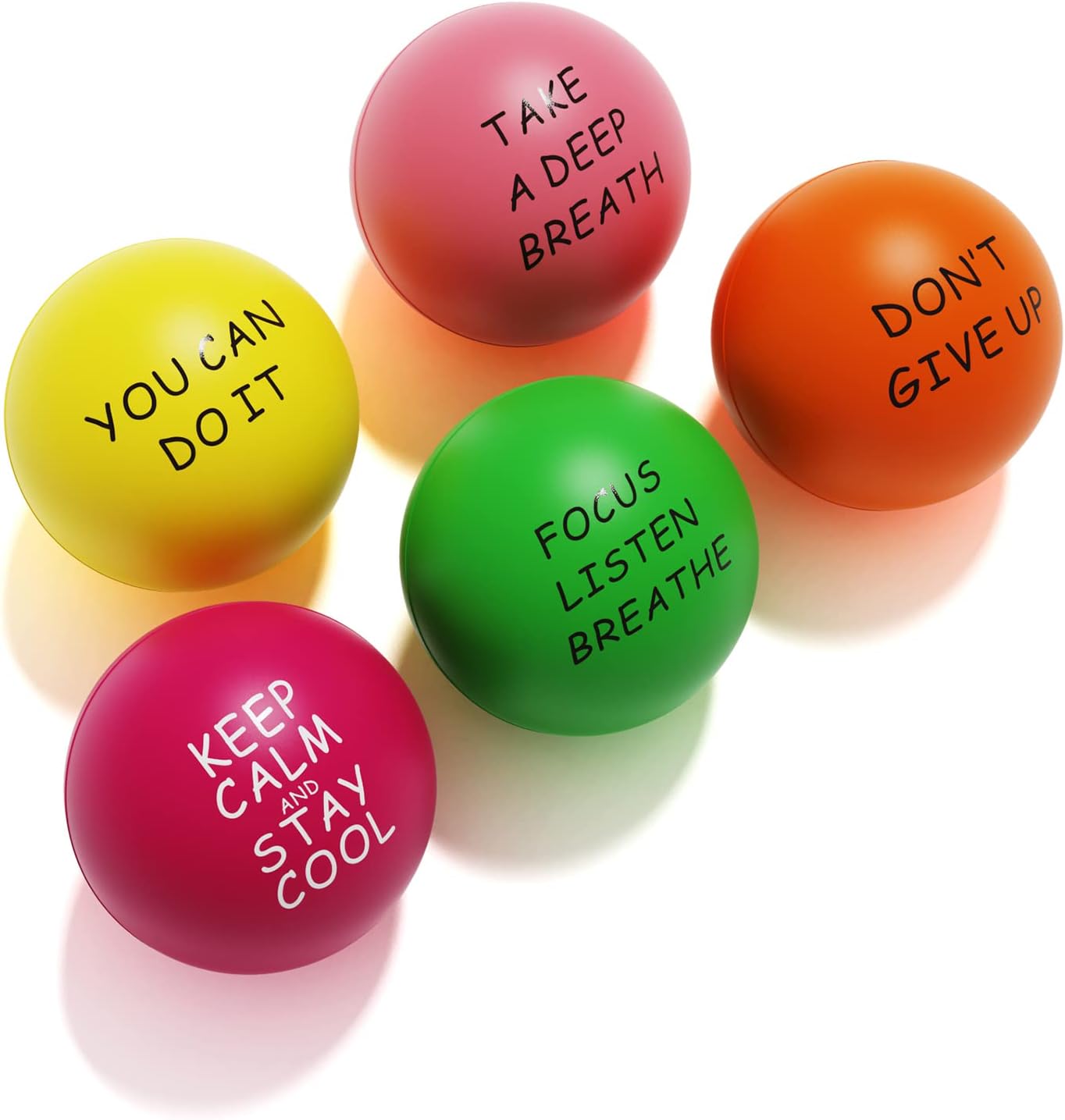
Some small token rewards might include:
Stickers/trading cards
A favorite snack
A trip to the dollar store
Small fidget items
But honestly, many children are even more motivated by experiences than by
things.
Consider offering:
A trip to get ice cream with a parent
A sleepover with a friend or cousin
Choosing dessert for Shabbos
A special breakfast outing
Ten extra minutes before bedtime
One-on-one time with a parent doing an activity they love
The message becomes clear: When you practice these habits consistently, good things happen.
Create a Homework Supply Station
If you’ve ever watched your child start homework and then get up six times within
ten minutes, you’re not alone.
- I need a pencil.
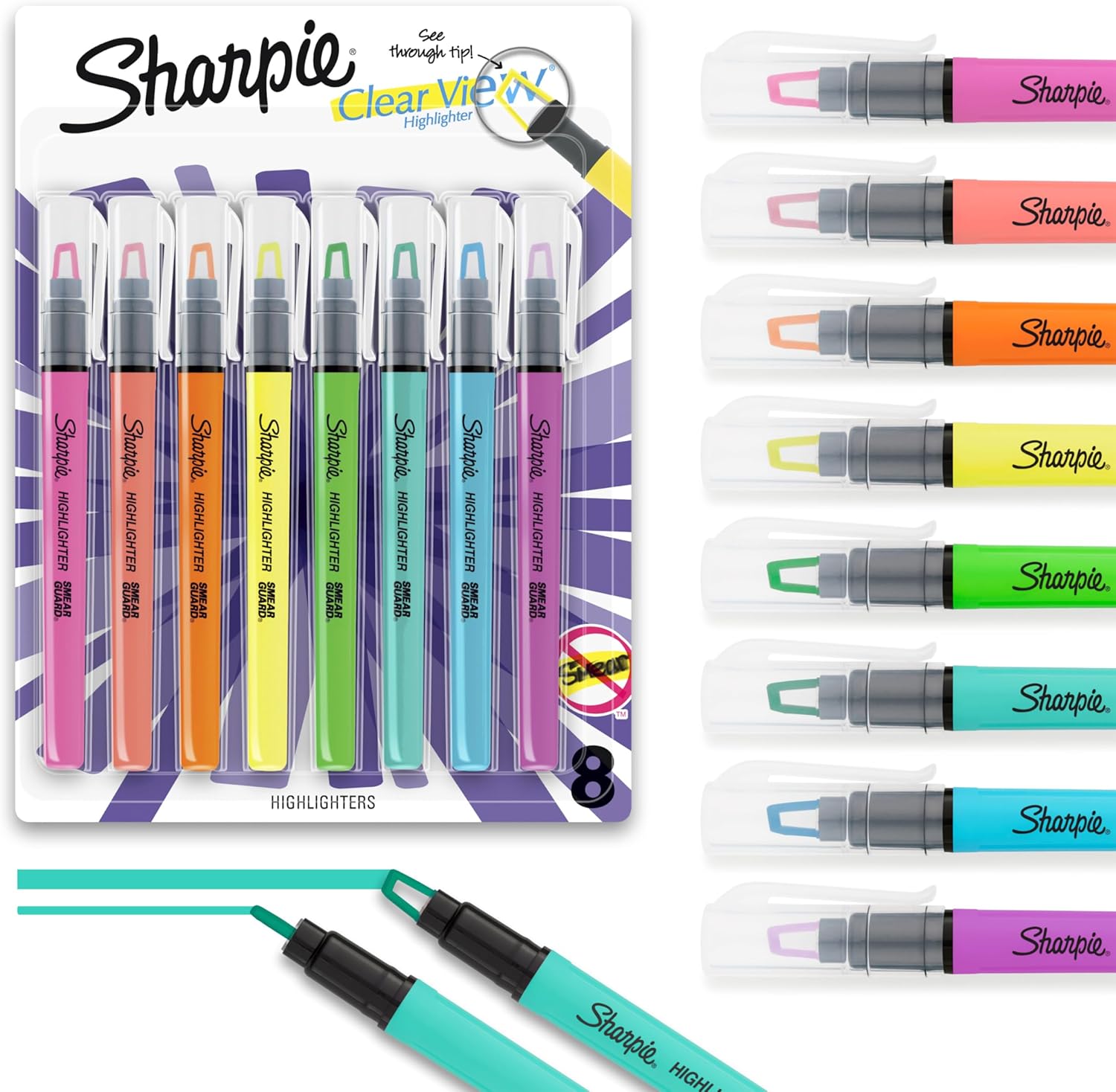
- I forgot my highlighter.
- Where’s the calculator?
- I need scissors.
Every trip away from the workspace creates another opportunity for distraction.
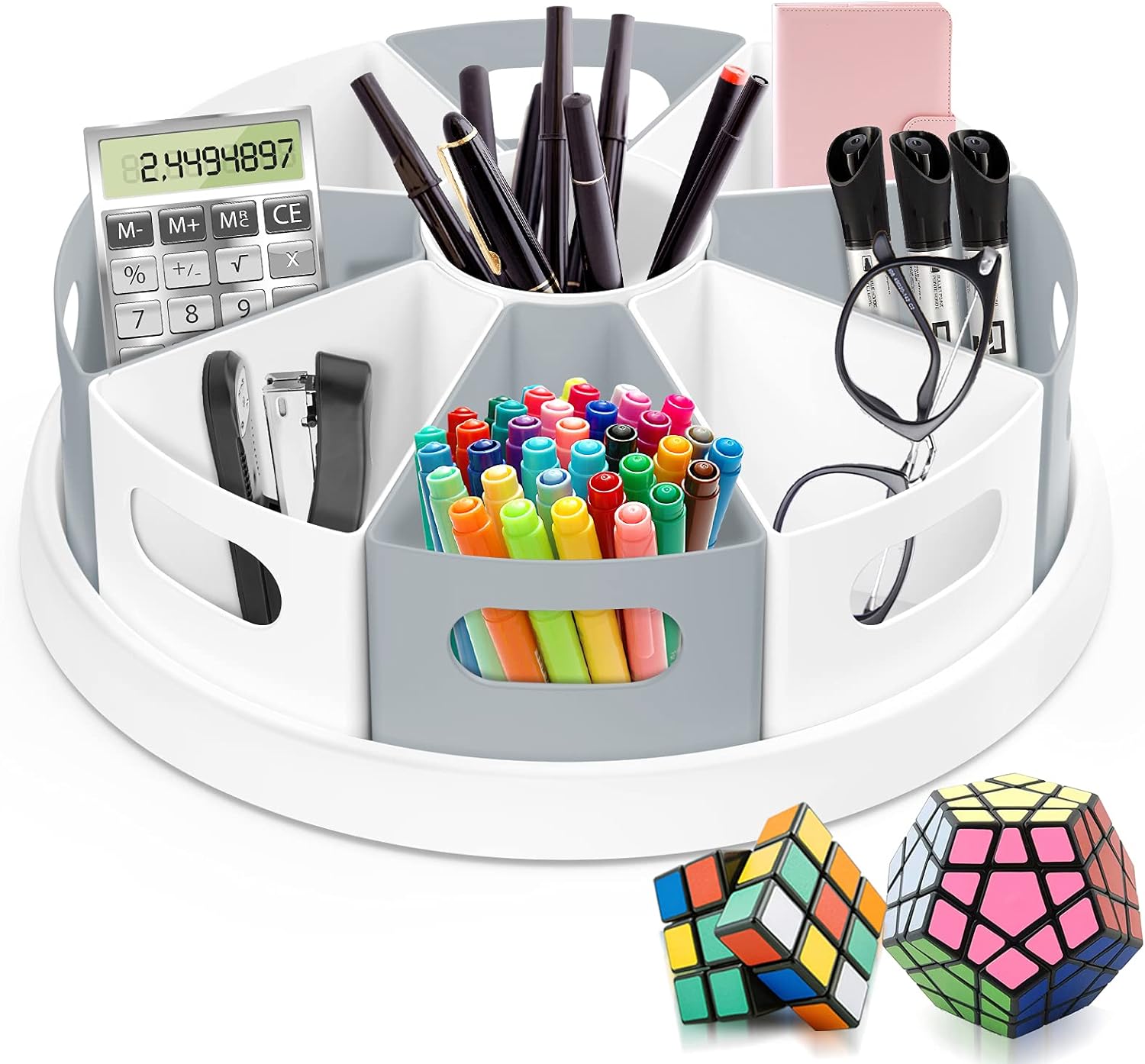
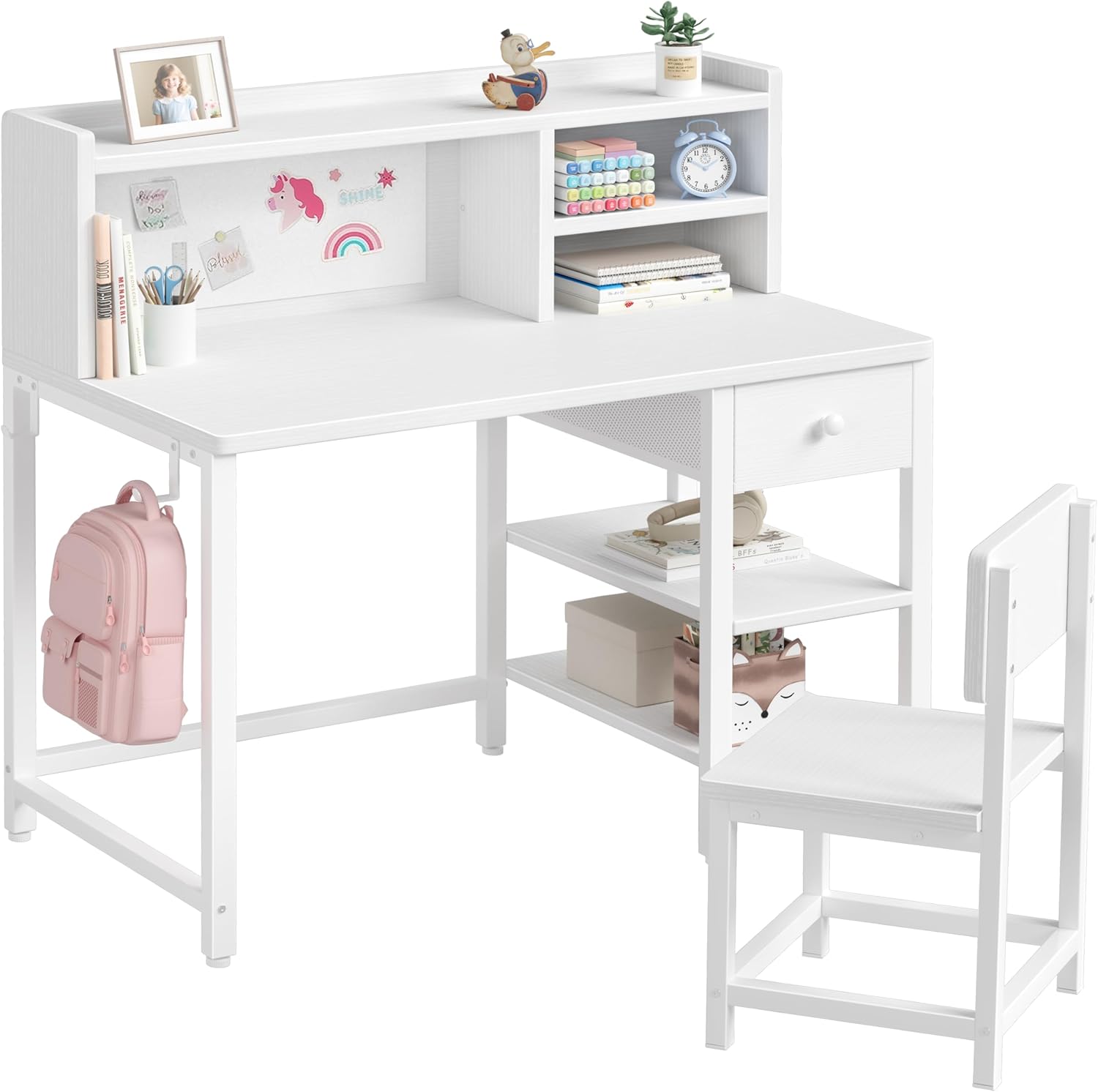
Instead, create a dedicated homework supply station.
It doesn’t need to be fancy. If you don’t have a designated space for doing
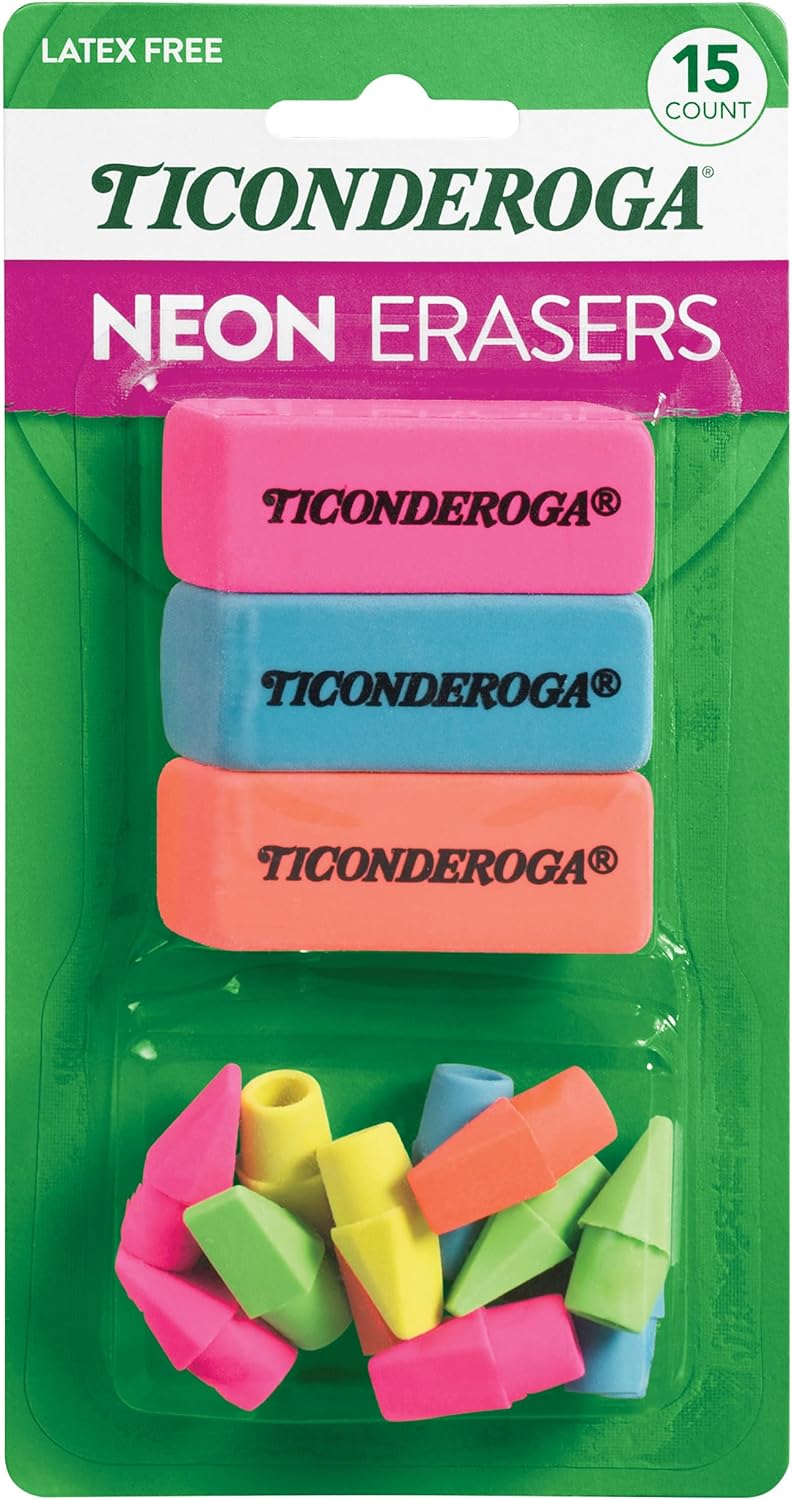
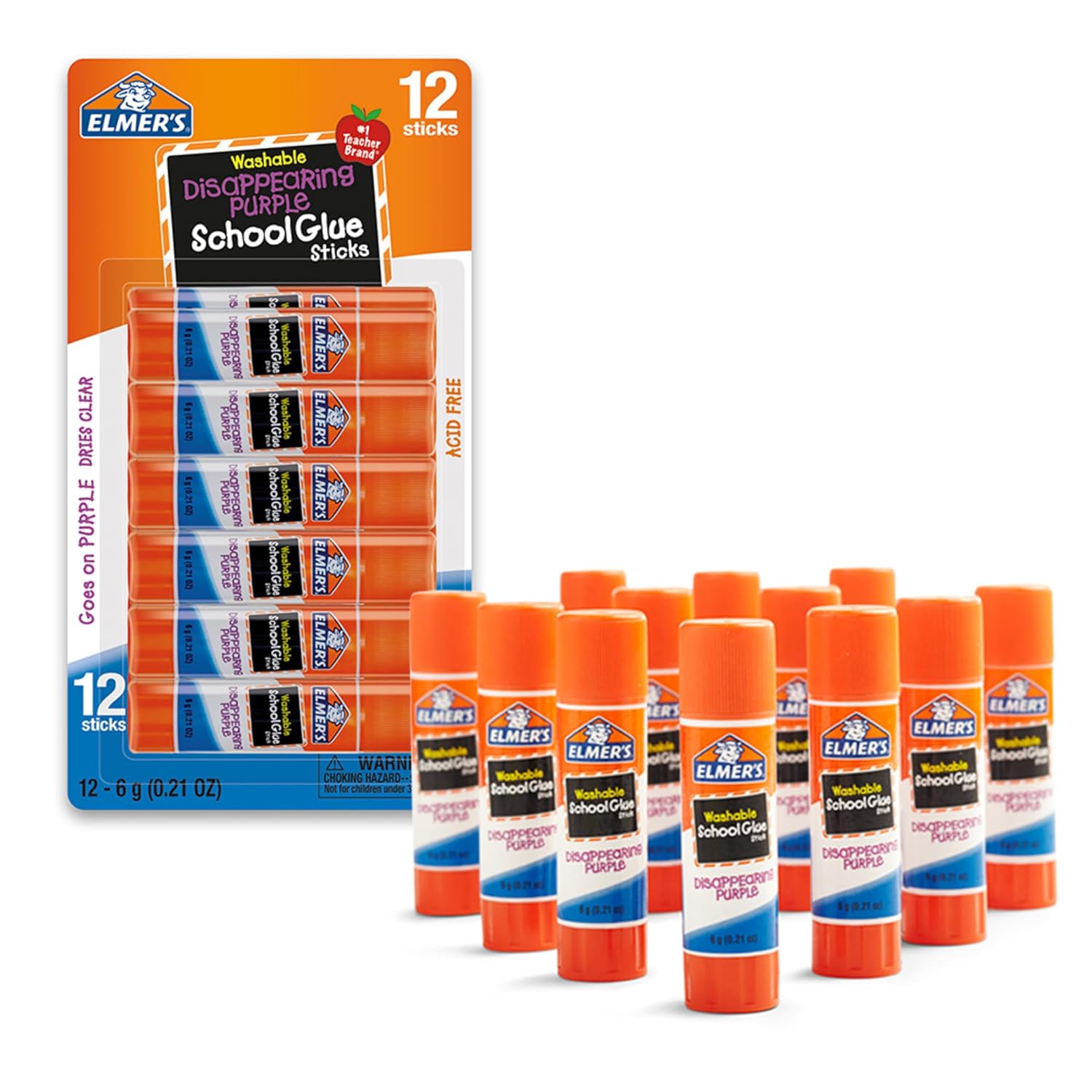
homework that has storage, a small basket, drawer, or caddy can hold:
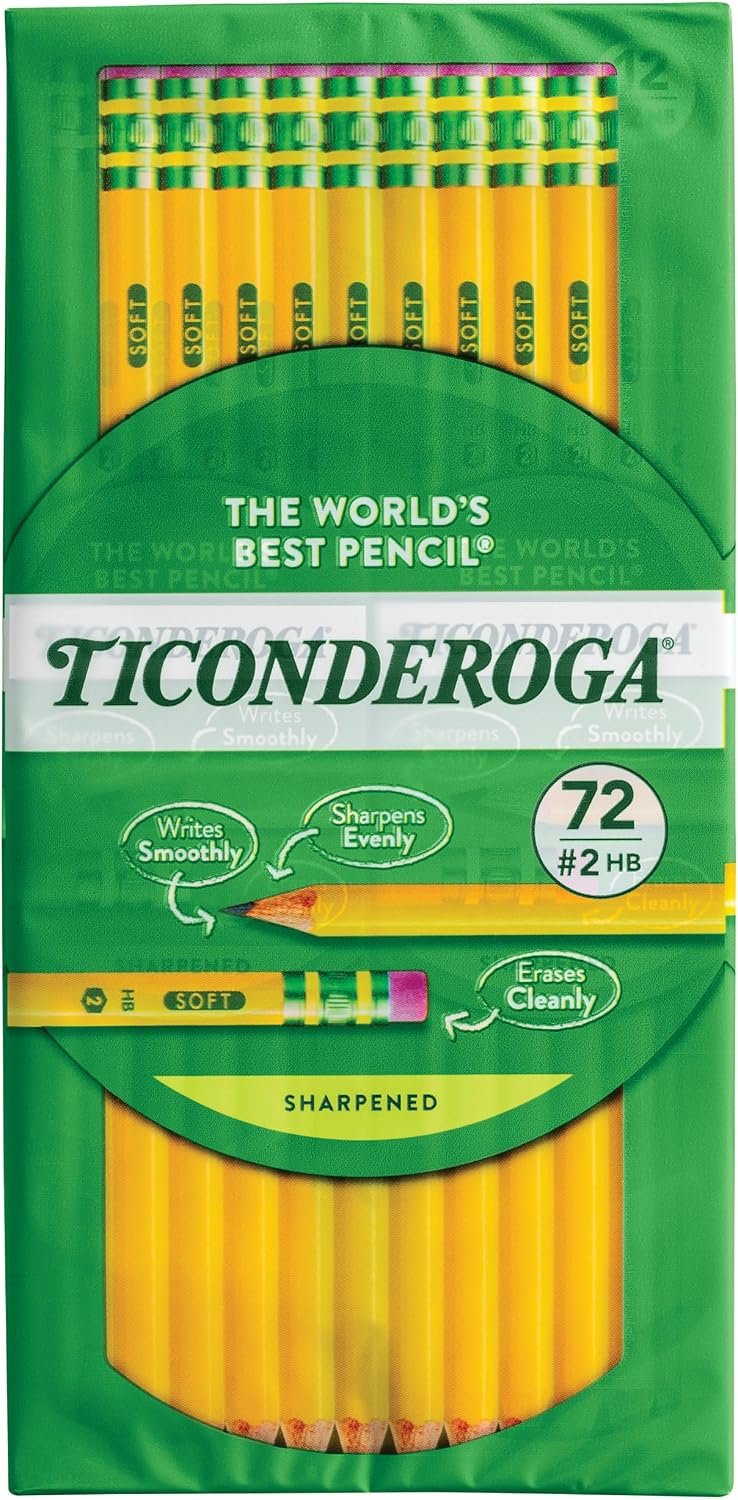
Pencils
Pens
Highlighters
Erasers
Colored pencils
Scissors
Glue sticks
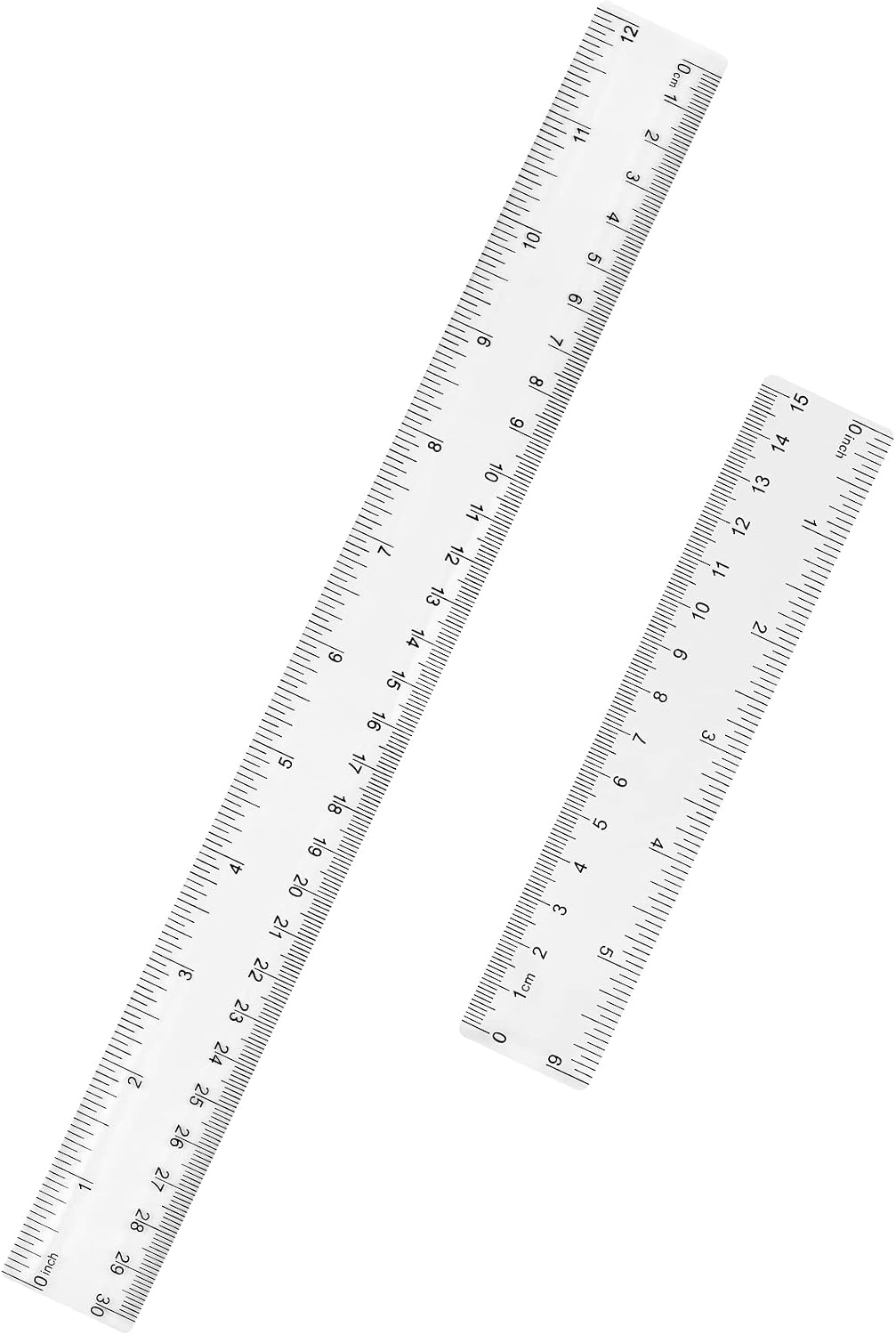
Ruler
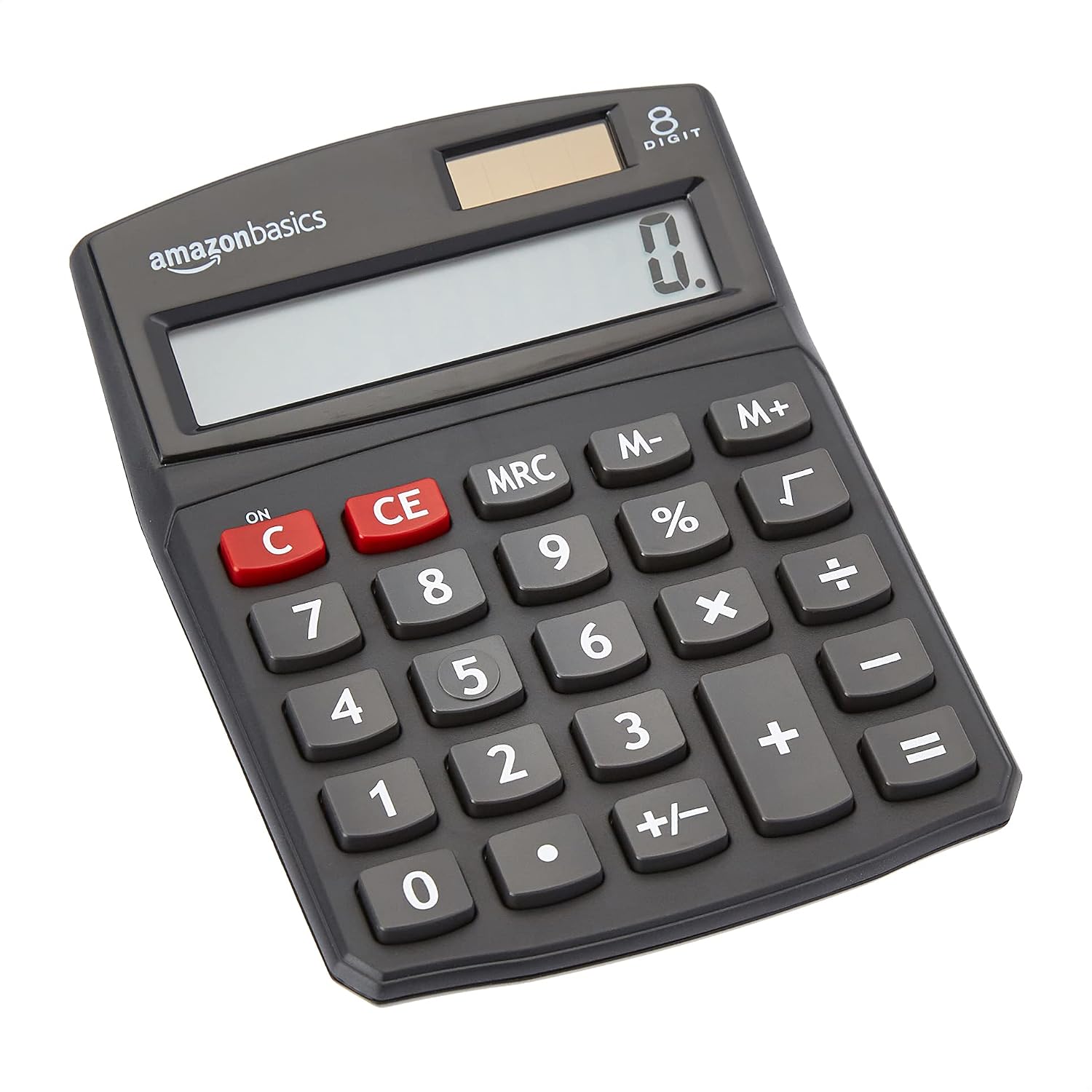
Calculator
When everything is in one place, kids spend less time searching and more time
working.
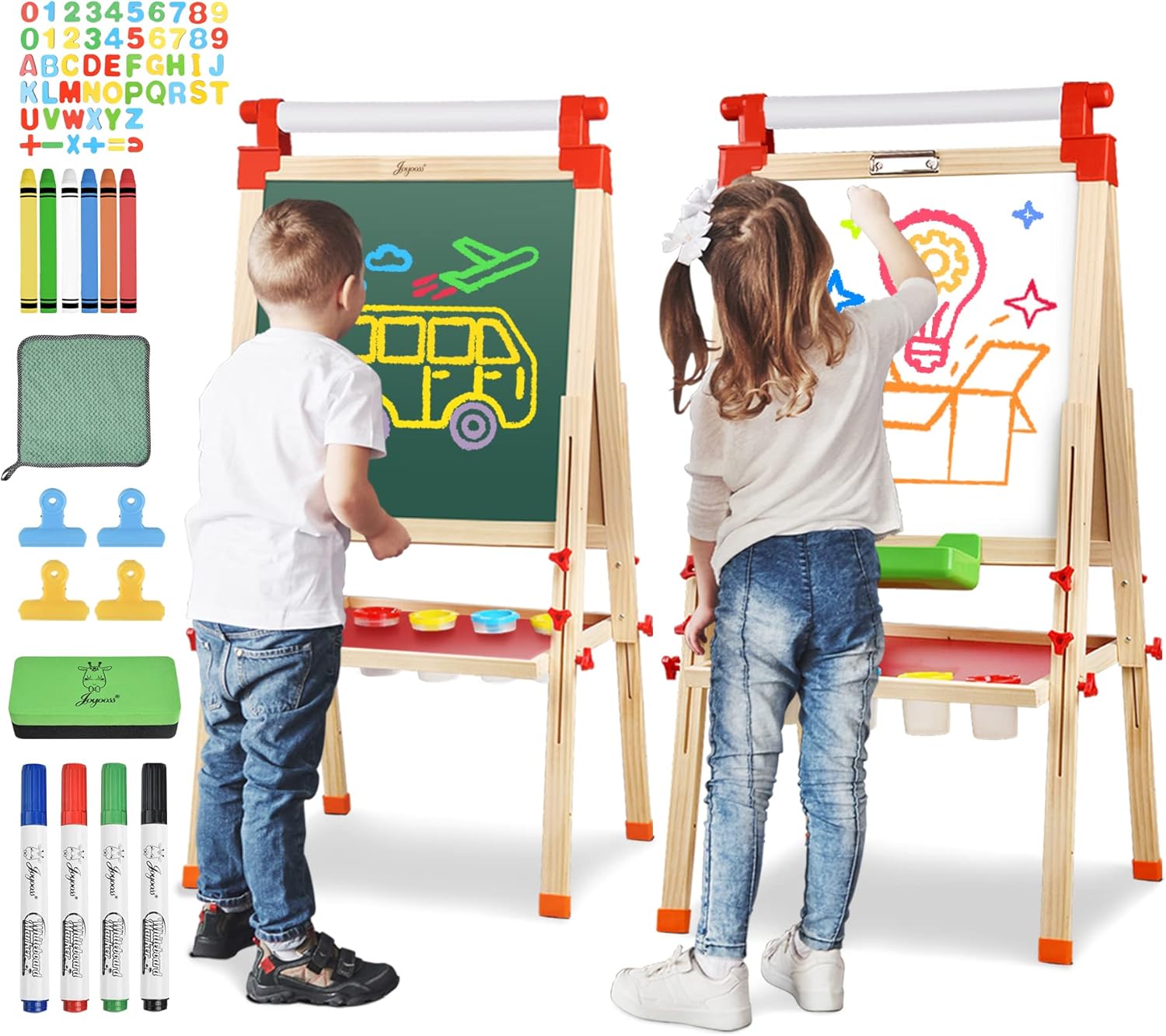
A homework desk and or an easel are great additions to a bedroom or playroom if you have a little extra space.
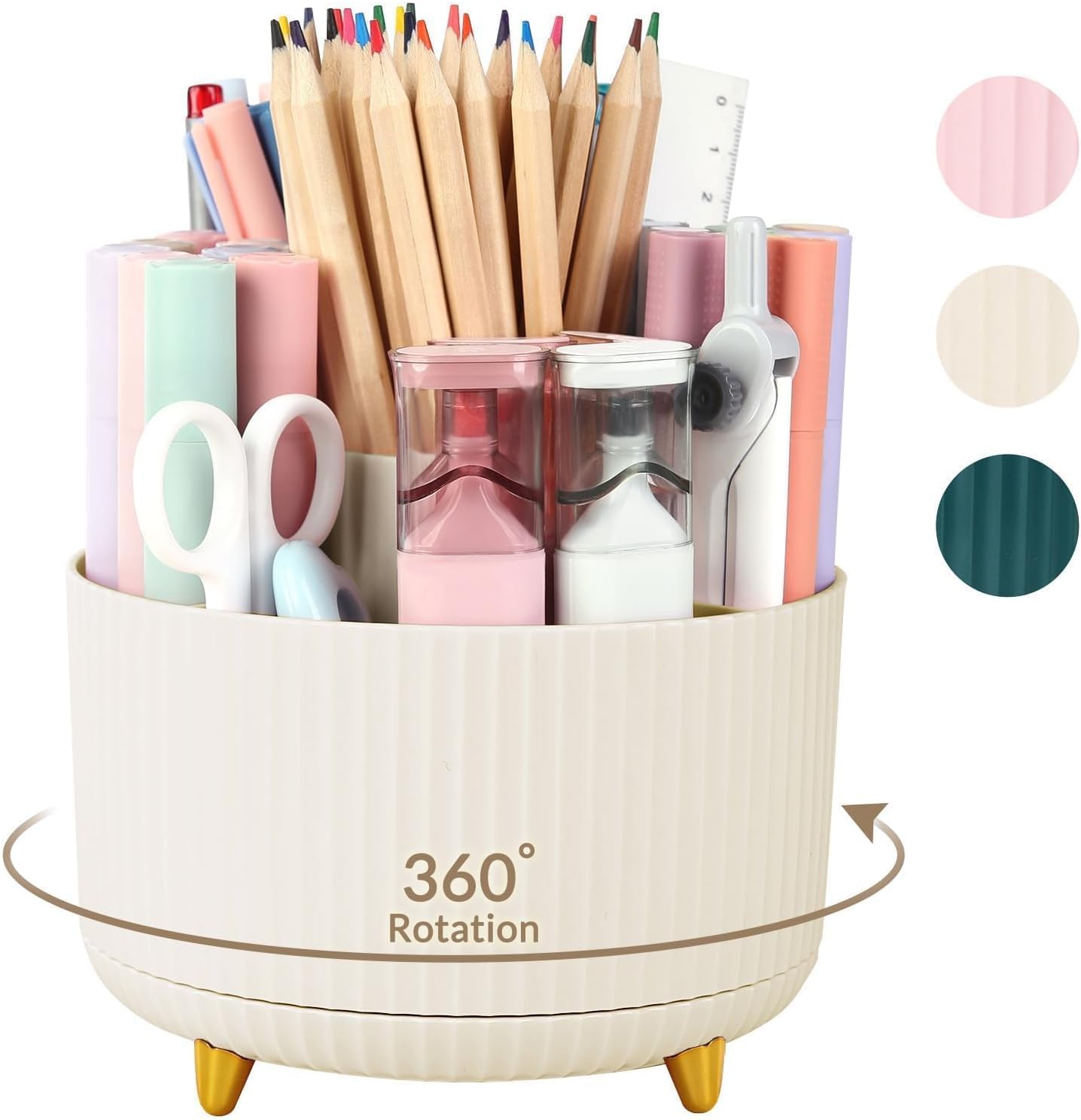
Rotating Caddy with To Do List
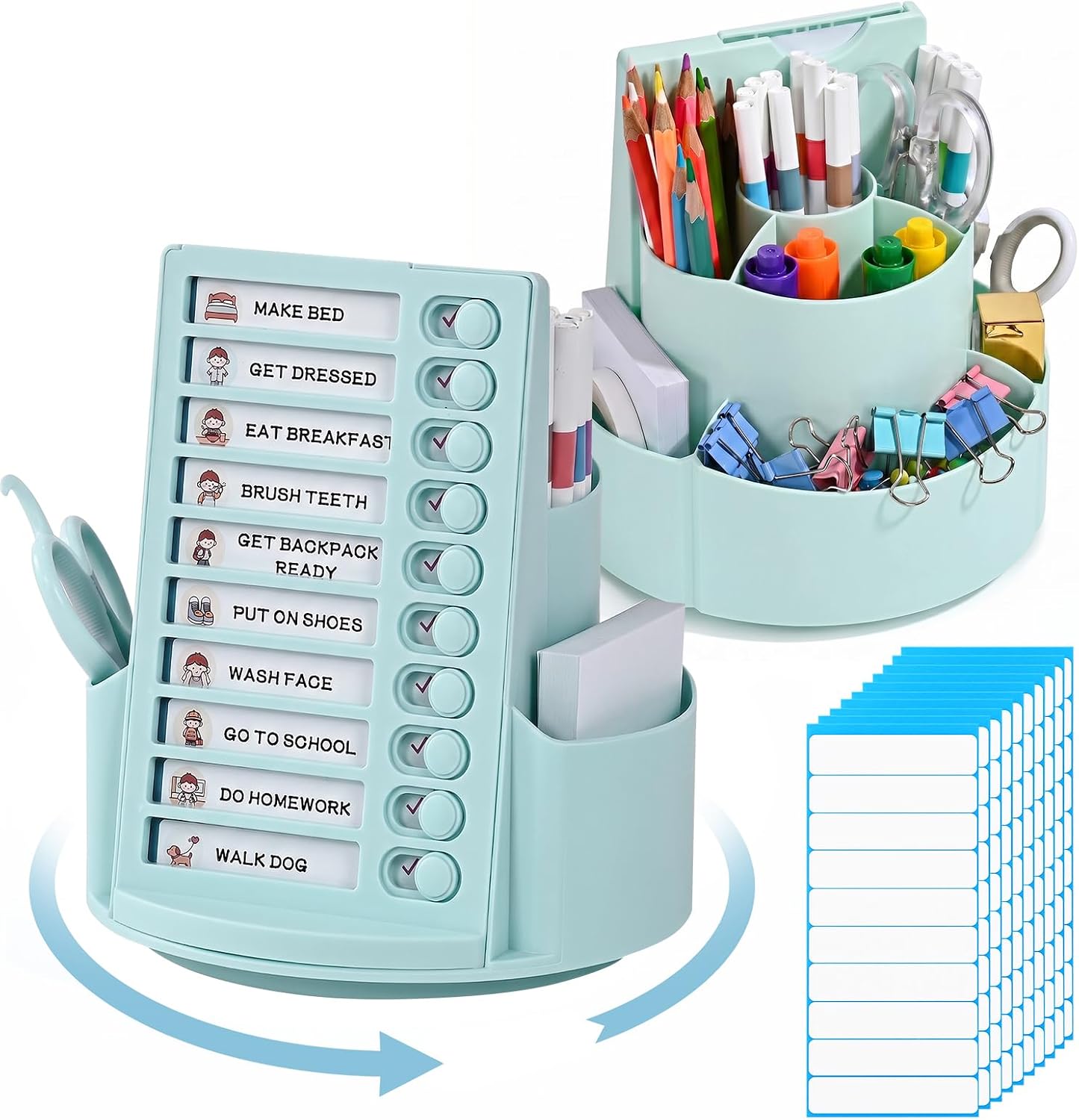
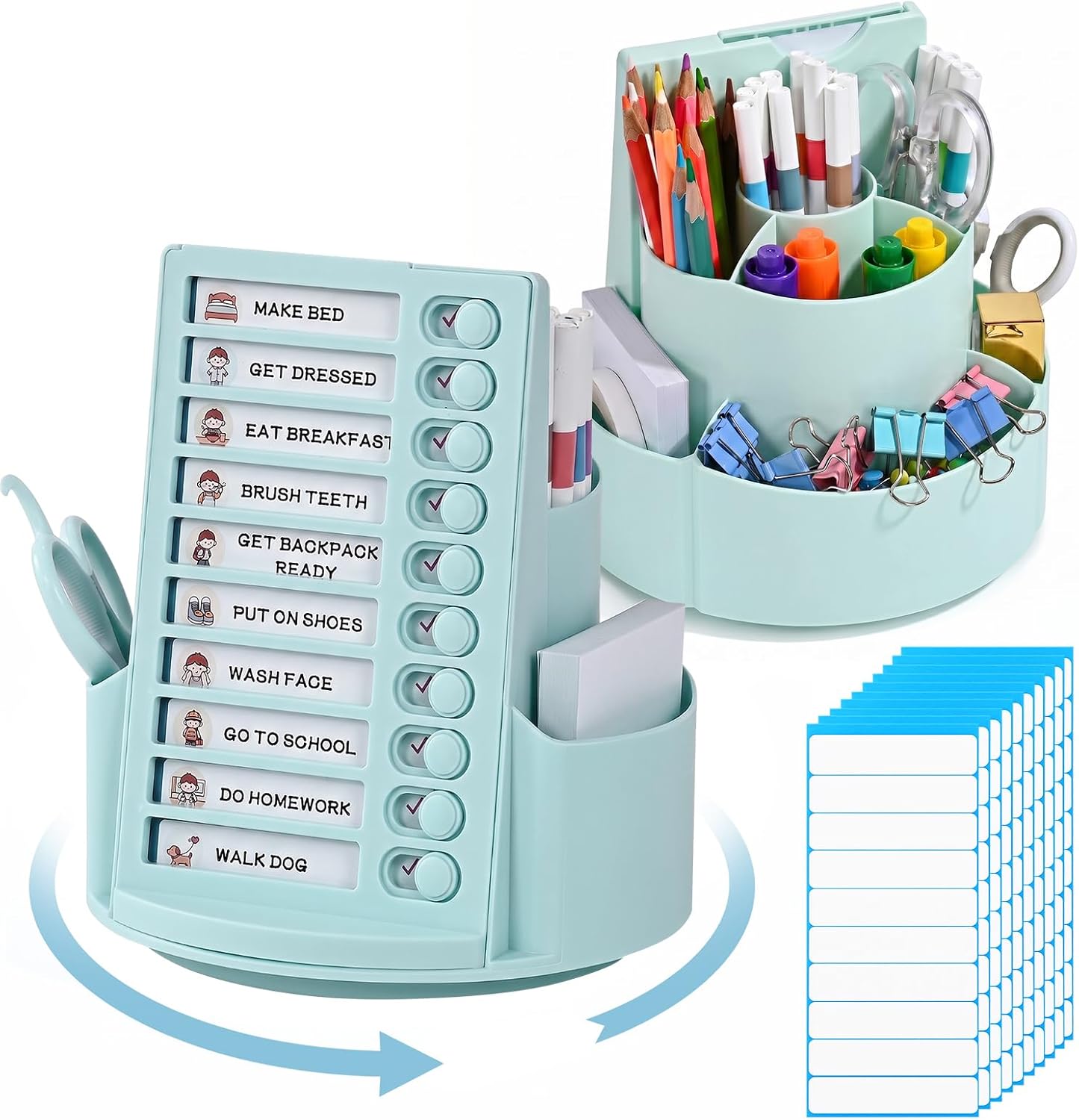
This rotating desk organizer is another great product for a child’s homework station because it combines supply storage with a customizable checklist. Keep pencils, markers, scissors, sticky notes and other homework essentials organized and within easy reach, then label the checklist with the steps your child needs to complete. Sliding each button as a task is finished adds a satisfying sense of accomplishment and encourages children to work more independently. It’s a practical choice for any child—and especially helpful for those with ADHD or executive functioning challenges.
Please note that although we love this product, our printed routine schedules will allow you to see a complete week of success. You could use this chart to keep track of specific homework assignments.
The Family Calendar: Your Secret Weapon
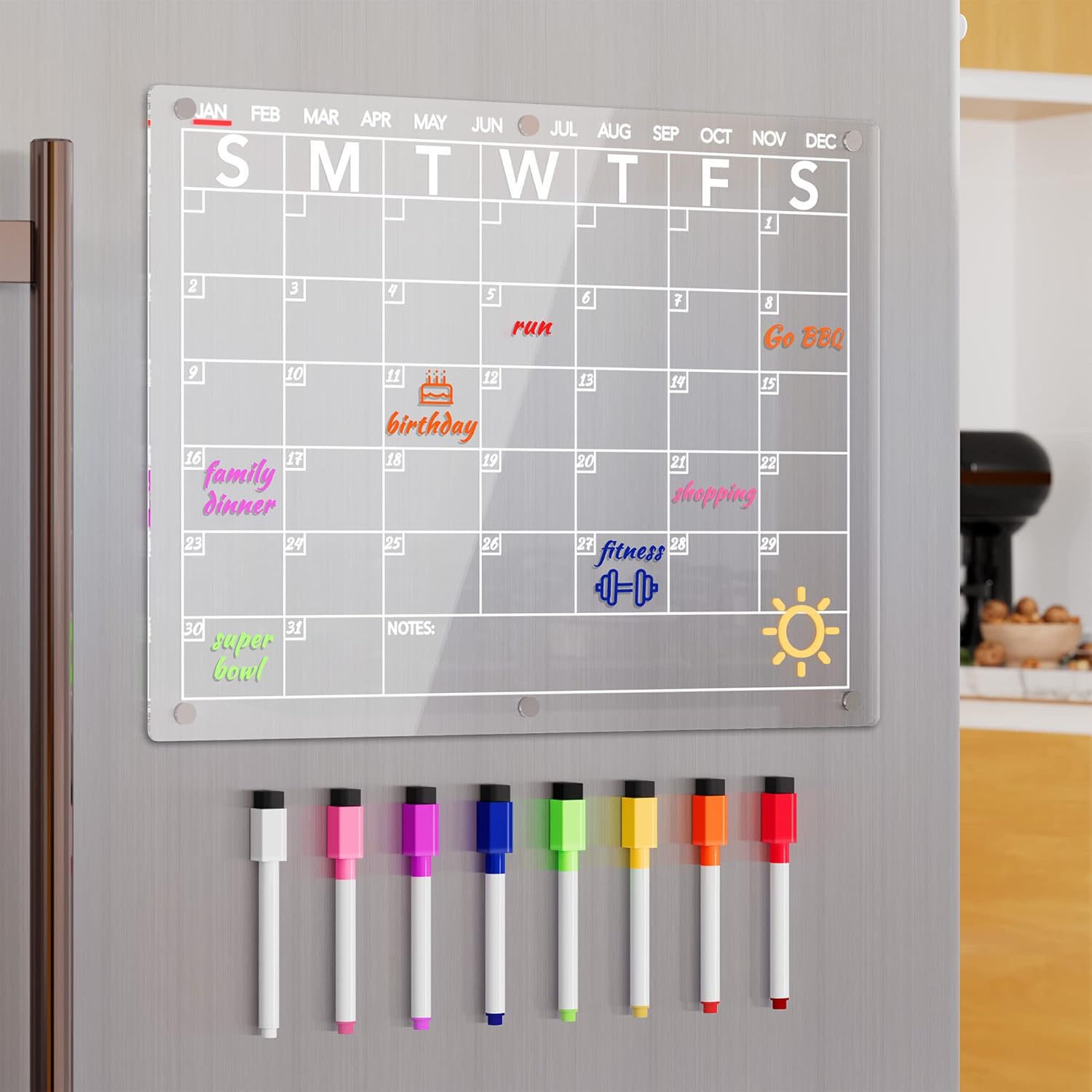
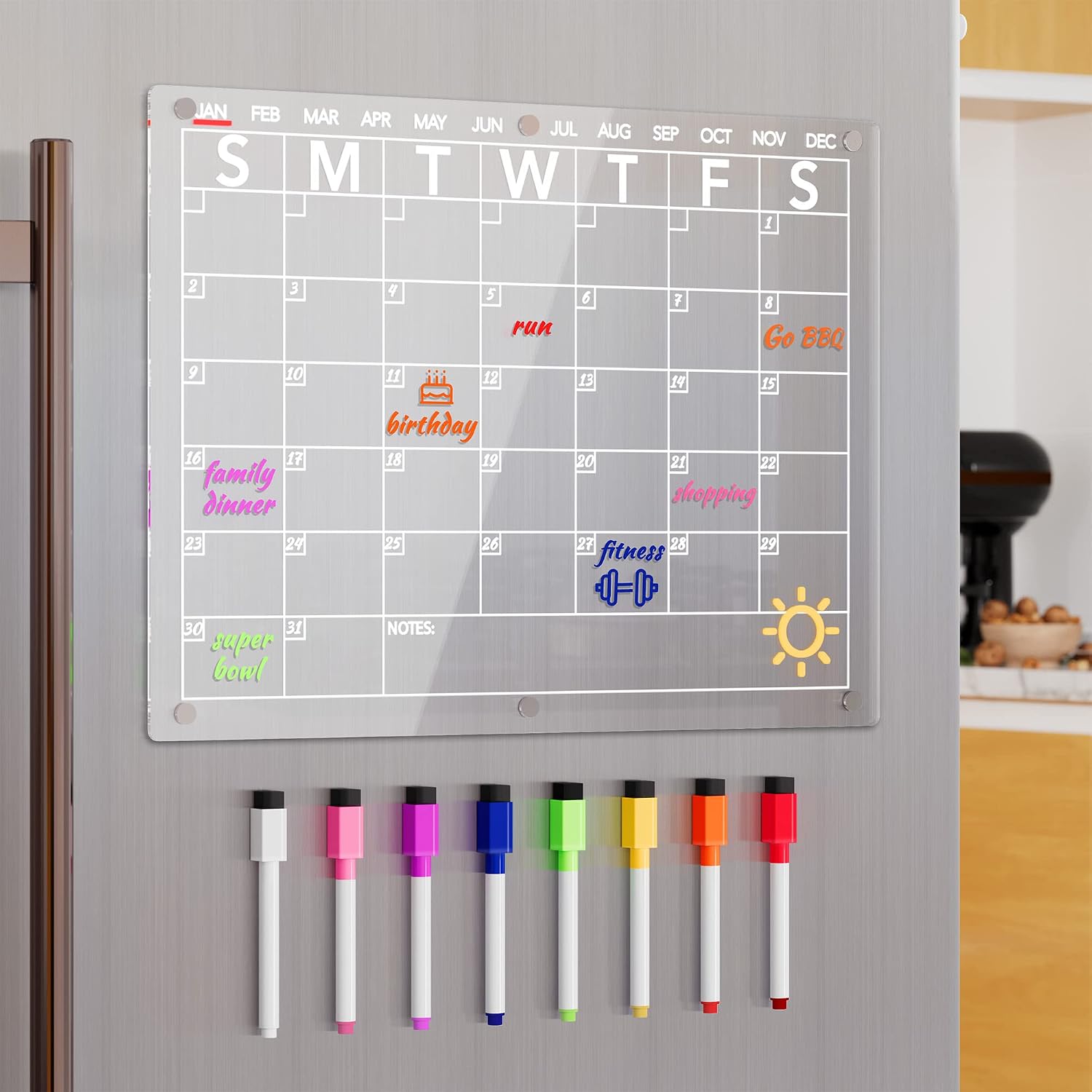
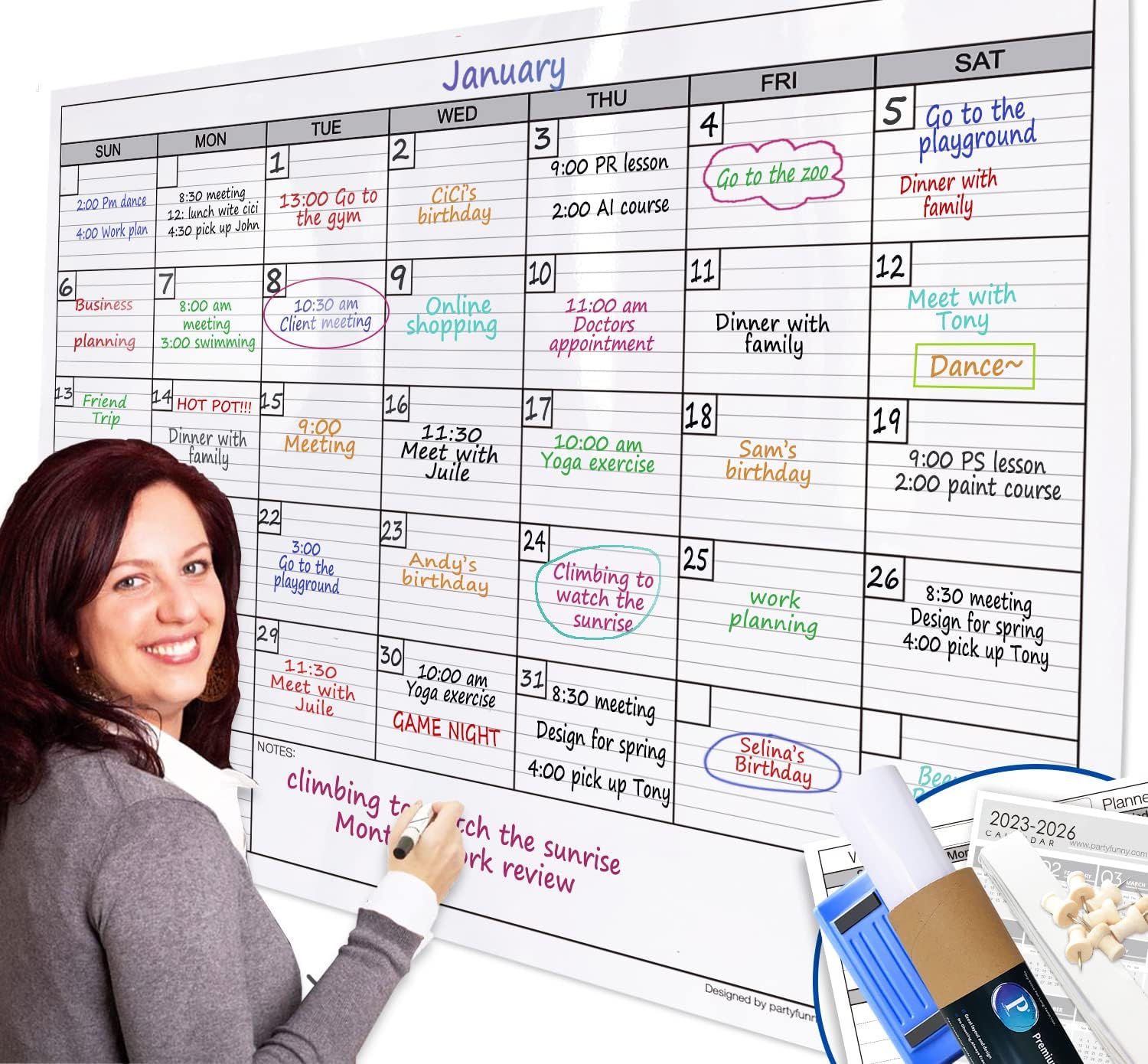
One of my favorite executive functioning tools is a large family calendar.
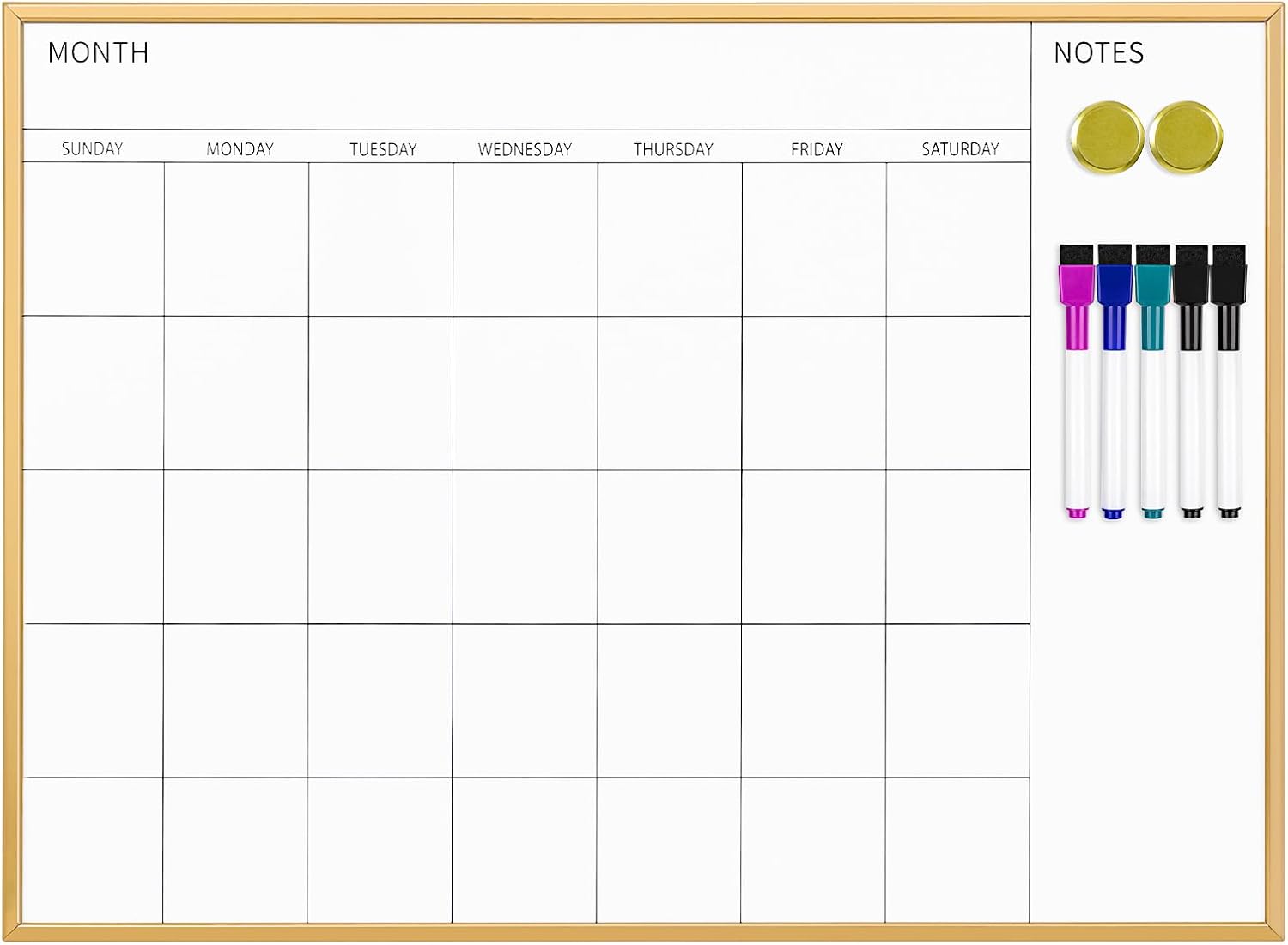
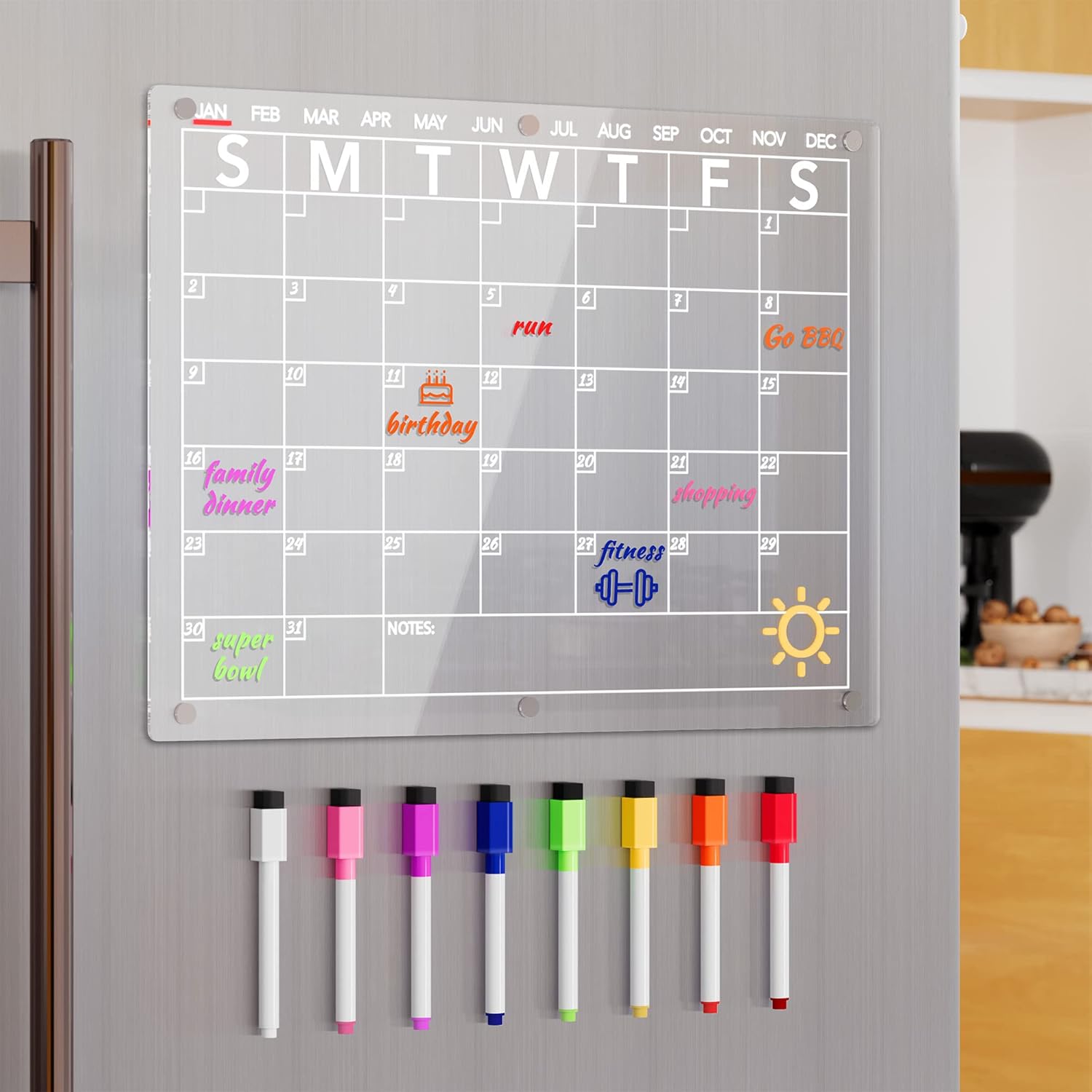
Whether you use a calendar on the refrigerator, a whiteboard in the kitchen, or a
wall planner, make everyone’s schedule visible.
Here’s the system I recommend:
Assign each family member a different color dry erase marker.
For example:
- Mommy = Blue
- Daddy = Green
- Child #1 = Orange
- Child #2 = Purple
- Child #3 = Red
You can label each marker with a small label using a label maker.
When activities, appointments, lessons, simchos or other special events are
added, each person writes in their own color.
At a glance, everyone can see:
What’s happening today
What’s coming up this week
Who needs to be where
Which days are especially busy
For older students, reviewing the family calendar every Sunday evening can
become part of their planning routine. This simple habit helps them anticipate
upcoming assignments, tests, practices, and commitments instead of being
caught off guard.
Remember: Systems Beat Reminders
One of the most important lessons I’ve learned after years of working with
students and families is that successful routines don’t happen because children
suddenly become more responsible. They happen because we create systems that
make success easier.
Printed checklists reduce memory demands.
Homework stations reduce distractions.
Family calendars improve planning.
Incentives increase motivation.
When these supports are in place, children can spend less energy figuring out
what to do and more energy actually doing it.
As the school year begins, choose one or two strategies to implement first. You
don’t need to overhaul your entire household in a single weekend. Small,
consistent changes often lead to the biggest long-term results.
Here’s to calmer mornings, smoother homework time, and a school year filled
with a little less stress and a lot more success.










4 Responses
I absolutely love this post! So much to incorporate and invest in! May we all have a successful year! Thanks Esther thanks Sarah
We’re so happy to be part of your successful year! Good Luck!
My kids love this chart! Makes our routine so smooth! Thank you for the template!
Amazing! So happy that you are finding it useful and helpful!
!